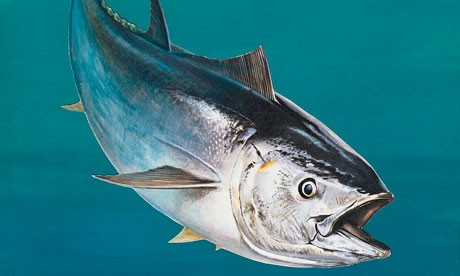
Biodiversity offsetting is a chance to improve the environment and grow the economy.
http://www.businessgreen.com/bg/opinion/2293143/biodiversity-offsetting-a-chance-to-improve-the-environment-and-grow-the-economy
Courtesy: Business Green
http://www.businessgreen.com/bg/opinion/2293143/biodiversity-offsetting-a-chance-to-improve-the-environment-and-grow-the-economy
Showing posts with label ecology. Show all posts
Saturday, 7 September 2013
Sunday, 4 August 2013
Nature's Supermen
Here is a list of ordinary people who are doing their best to preserve and protect nature for the future of all humanity.
http://www.treehugger.com/culture/incredible-human-accomplishments.html
Sunday, 21 April 2013
The Buddha Tree
On April 11th, accomplished art historian Gregory Levine visited campus to deliver his lecture “Silenced by Aesthetics”? A Tentative Poetics of Art History and Ecology.” Levine is a very active member of his field, currently serving as associate professor of the art and architecture of Japan and Buddhist visual cultures in the Department of the History of Art at U.C. Berkeley. He has published a wide variety of writing with a focus on Zen Buddhism, visual Buddhist modernism, art and architecture in Japan, forgery and authenticity, as well as Japanese painting culture and calligraphy. Read more...
http://elm.washcoll.edu/index.php/2013/04/art-history-meets-ecology-the-buddha-tree-story/
Saturday, 23 February 2013
Eco-Mysticism by Carl Von Essen
Carl Von Essen’s book, "Ecomysticism, The Profound Experience of Nature as Spiritual Guide" is divided into three parts, in which some chapters are entitled The Hunter, The Explorer, The Poet & the Artist, The Healer, The Psychobiology of Mystical Experience, Ecocrisis and The Future Rests with Us. Read more...
http://www.countercurrents.org/sparenberg230213.htm
Labels:
artist,
carl von essen,
ecology,
ecomysticism,
nature,
poet
Tuesday, 25 September 2012
Air Pollutants in Europe
Almost a third of Europe's city dwellers are exposed to excessive
concentrations of airborne particulate matter (PM). Particulate matter
is one of the most important pollutants in terms of harm to human health
as it penetrates sensitive parts of the respiratory system.Read more...
http://www.investineu.com/content/environment-many-europeans-still-exposed-harmful-air-pollutants-12c3
Ash Trees Disease
The UK could be facing a repeat of the impact of
Dutch elm disease among its native ash trees without immediate action
to stop a destructive fungus spreading from Europe, conservationists
have warned.Read more...
http://www.independent.co.uk/environment/nature/disease-threatens-uks-ash-trees-8175715.html
Sunday, 27 May 2012
Bastrop County- Green Future
The Bastrop County Complex fire ravaged the area’s local ecology, but now, acre by acre, volunteers are working to restore what they can. Read more...http://austin.ynn.com/content/top_stories/284963/volunteers-plant-for-green-future-in-bastrop-county
Labels:
bastrop county,
complex fire,
ecology,
restore,
volunteers
Location:
London, UK
Tuesday, 8 May 2012
Marine Species Feel the Warmth
Warm water marine species spreading northwards into British waters. Read more...
http://www.guardian.co.uk/environment/2012/may/08/warm-water-species-speading-northwards
Labels:
british waters,
ecology,
marine species,
warm water
Location:
London, UK
Friday, 21 October 2011
Humpback Whales Recovering
The new research on the Endangered Humpback whales indicates the population to be higher than 21,000 animals.
http://www.ens-newswire.com/ens/oct2011/2011-10-19-092.html
Labels:
ecology,
endangered,
humpback whales,
population,
research
Location:
London, UK
Ban on Pet Tigers
The tragic situation in Ohio has prompted World Wildlife Fund (WWF) to today call for a ban on private ownership of tigers.
http://www.enn.com/wildlife/article/43439
Location:
London, UK
Monday, 1 August 2011
Mangos and Almonds
The Journal Ecology Letters recently published some interesting research. Men who consume antioxidant-rich foods like carrots, sweet potatoes and mangos have healthier sperm, which can help their baby-making abilities, according to the latest research out of the University of Western Australia .
http://www.independent.co.uk/life-style/health-and-families/mangos-and-almonds-can-improve-male-fertility-2317275.html
Wednesday, 27 July 2011
The Green Thing
In the line at the store, the cashier told an older woman that she should bring her own grocery bags because plastic bags weren't good for the environment.
The woman apologized to him and explained, "We didn't have the green thing back in my day."
The clerk responded, "That's our problem today. Your generation did not care enough to save our environment."
He was right -- our generation didn't have the green thing in its day.
Back then, we returned milk bottles, soda bottles and beer bottles to the store. The store sent them back to the plant to be washed and sterilized and refilled, so it could use the same bottle over and over. So they really were recycled.
But we didn't have the green thing back in our day.
We walked up stairs, because we didn't have an escalator in every store and office building. We walked to the grocery store and didn't climb into a 300-horsepower machine every time we had to go two blocks.
But she was right. We didn't have the green thing in our day.
Back then, we washed the baby's diapers because we didn't have the throw-away kind. We dried clothes on a line, not in an energy gobbling machine burning up 220 volts -- wind and solar power really did dry the clothes. Kids got hand-me-down clothes from their brothers or sisters, not always brand-new clothing. But that old lady is right; we didn't have the green thing back in our day.
Back then, we had one TV, or radio, in the house -- not a TV in every room. And the TV had a small screen the size of a handkerchief (remember them?), not a screen the size of the state ofMontana. In the kitchen, we blended and stirred by hand because we didn't have electric machines to do everything for us. When we packaged a fragile item to send in the mail, we used a wadded up old newspaper to cushion it, not Styrofoam or plastic bubble wrap. Back then, we didn't fire up an engine and burn gasoline just to cut the lawn. We used a push mower that ran on human power. We exercised by working so we didn't need to go to a health club to run on treadmills that operate on electricity.
But she's right; we didn't have the green thing back then.
We drank from a fountain when we were thirsty instead of using a cup or a plastic bottle every time we had a drink of water. We refilled writing pens with ink instead of buying a new pen, and we replaced the razor blades in a razor instead of throwing away the whole razor just because the blade got dull.
But we didn't have the green thing back then.
Back then, people took the streetcar or a bus and kids rode their bikes to school or walked instead of turning their moms into a 24-hour taxi service. had one electrical outlet in a room, not an entire bank of sockets to power a dozen appliances. And we didn't need a computerized gadget to receive a signal beamed from satellites 2,000 miles out in space in order to find the nearest pizza joint.
But isn't it sad the current generation laments how wasteful we old folks were just because we didn't have the green thing back then?
Please forward this on to another selfish old person who needs a lesson in conservation from a smartass young person.
The woman apologized to him and explained, "We didn't have the green thing back in my day."
The clerk responded, "That's our problem today. Your generation did not care enough to save our environment."
He was right -- our generation didn't have the green thing in its day.
Back then, we returned milk bottles, soda bottles and beer bottles to the store. The store sent them back to the plant to be washed and sterilized and refilled, so it could use the same bottle over and over. So they really were recycled.
But we didn't have the green thing back in our day.
We walked up stairs, because we didn't have an escalator in every store and office building. We walked to the grocery store and didn't climb into a 300-horsepower machine every time we had to go two blocks.
But she was right. We didn't have the green thing in our day.
Back then, we washed the baby's diapers because we didn't have the throw-away kind. We dried clothes on a line, not in an energy gobbling machine burning up 220 volts -- wind and solar power really did dry the clothes. Kids got hand-me-down clothes from their brothers or sisters, not always brand-new clothing. But that old lady is right; we didn't have the green thing back in our day.
Back then, we had one TV, or radio, in the house -- not a TV in every room. And the TV had a small screen the size of a handkerchief (remember them?), not a screen the size of the state ofMontana. In the kitchen, we blended and stirred by hand because we didn't have electric machines to do everything for us. When we packaged a fragile item to send in the mail, we used a wadded up old newspaper to cushion it, not Styrofoam or plastic bubble wrap. Back then, we didn't fire up an engine and burn gasoline just to cut the lawn. We used a push mower that ran on human power. We exercised by working so we didn't need to go to a health club to run on treadmills that operate on electricity.
But she's right; we didn't have the green thing back then.
We drank from a fountain when we were thirsty instead of using a cup or a plastic bottle every time we had a drink of water. We refilled writing pens with ink instead of buying a new pen, and we replaced the razor blades in a razor instead of throwing away the whole razor just because the blade got dull.
But we didn't have the green thing back then.
Back then, people took the streetcar or a bus and kids rode their bikes to school or walked instead of turning their moms into a 24-hour taxi service. had one electrical outlet in a room, not an entire bank of sockets to power a dozen appliances. And we didn't need a computerized gadget to receive a signal beamed from satellites 2,000 miles out in space in order to find the nearest pizza joint.
But isn't it sad the current generation laments how wasteful we old folks were just because we didn't have the green thing back then?
Please forward this on to another selfish old person who needs a lesson in conservation from a smartass young person.
Tuesday, 26 July 2011
Ecology TV-Climate Refugees
Among independent films making their public debuts at the 2010 Sundance Film Festival last month was Climate Refugees, a film about the human, social and cultural impacts of populations forced to abandon lands rendered uninhabitable by global climate change.
Sunday, 17 July 2011
Rising Flood Risk for the UK
The UK is facing a rising flood risk and the warning signs are being ignored. The UK could be increasingly vulnerable to expected climate impacts including more floods, heat-waves and droughts, because the risks are not being taken fully into account in decisions on areas such as planning and water supplies
Global Warming
Global warming is being increased as the natural shields of the Earth are getting weakened gradually.
Tuesday, 5 July 2011
Toxic Weed in British Ecology
A row has broken out over ragwort, the yellow flower , that is just coming into bloom across the countryside. Read more....
http://www.telegraph.co.uk/earth/earthnews/8603595/Toxic-weed-or-an-essential-part-of-British-ecology.html
Tuesday, 7 June 2011
365 Ways to Live Green
365 Ways to Live Green will educate, inspire, and motivate you to do your part. With easy-to-implement tips, you'll learn how to: Create biodegradable home cleaning products; Find the hidden ingredients in bad-for-you-foods; Invest in green technology and stocks; Buy eco-friendly clothes and accessories; Choose the right plants to nourish your yard. Saving the world is as easy as changing the way you think-so take the green movement's motto to heart. With 365 Ways to Live Green, you will learn what it really means to "think globally and act locally." Paperback, 6.5 x 6," 224 pp.
http://www.thebookco.com/view_detail.cfm?ID=4962
Tuesday, 31 May 2011
Environmental Awareness on Squidoo
The environment and ecology of our planet is something we all take for granted. I have always had a keen interest in the environment, which led me to do a degree course in environment and ecology a few years ago.
We all remember the great anglo-indian writer Rudyard Kipling’s world famous “Jungle Book”, which was immortalized by Disney as a movie and which is now a literary classic. I have created a tribute Squidoo lens to Rudyard Kipling who was an ecologist at heart. Kipling wrote such great stories, while using the powerful imagery of the jungle and village environment of Colonial India as a backdrop for his stories. I now present to you, the Rudyard Kipling tribute lens on Squidoo. Enjoy!
When I discovered Squidoo and the ease with which I could create sites, called lens on Squidoo, I decided to make a lens on the environment. This was just one powerful way to present the importance of our environment in the form of a Debate. I have succeeded in getting my message across, as you will notice at the people who have taken part in this debate on my squidoo lens.
Tuesday, 20 July 2010
The Truth About Recycling
The Truth about Recycling is that we all do not recycle everything. This is largely due to the fact that we do not have all the right equipment to do our own recycling at home and at the work place. It may take a few more years before society is fully prepared to do recycling on a global level. At present the level of recycling which is being carried out worldwide is not enough to make a clear mark and change in our ecology and environment.
The Adventures of an Aluminum Can: A Story About Recycling (Little Green Books)
Reduce, Reuse, Recycle: An Easy Household Guide (The Chelsea Green Guides)
HOME COMPOSTING WITH WORMS - How to recycle organic household waste
How To Live Green
The Adventures of an Aluminum Can: A Story About Recycling (Little Green Books)
Reduce, Reuse, Recycle: An Easy Household Guide (The Chelsea Green Guides)
HOME COMPOSTING WITH WORMS - How to recycle organic household waste
How To Live Green
Saturday, 26 June 2010
No One Really Cares About the Environment Today!
Join the Environmental Debate on Squidoo Today and Have Your Say!
"No One Really Cares About the Environment Today"
Are you serious about saving the Environment?
Have your say on saving the environment today or hold your peace always.
Are you brave enough to say exactly what you feel about environment conservation?
"No One Really Cares About the Environment Today"
Are you serious about saving the Environment?
Have your say on saving the environment today or hold your peace always.
Are you brave enough to say exactly what you feel about environment conservation?
Labels:
animals,
buzz,
debate,
ecology,
environment,
google,
green power,
mountains,
plants,
sea,
squidoo,
yahoo
Subscribe to:
Posts (Atom)